
How Much Screen Time Is Too Much? Protecting Your Child’s Eyes
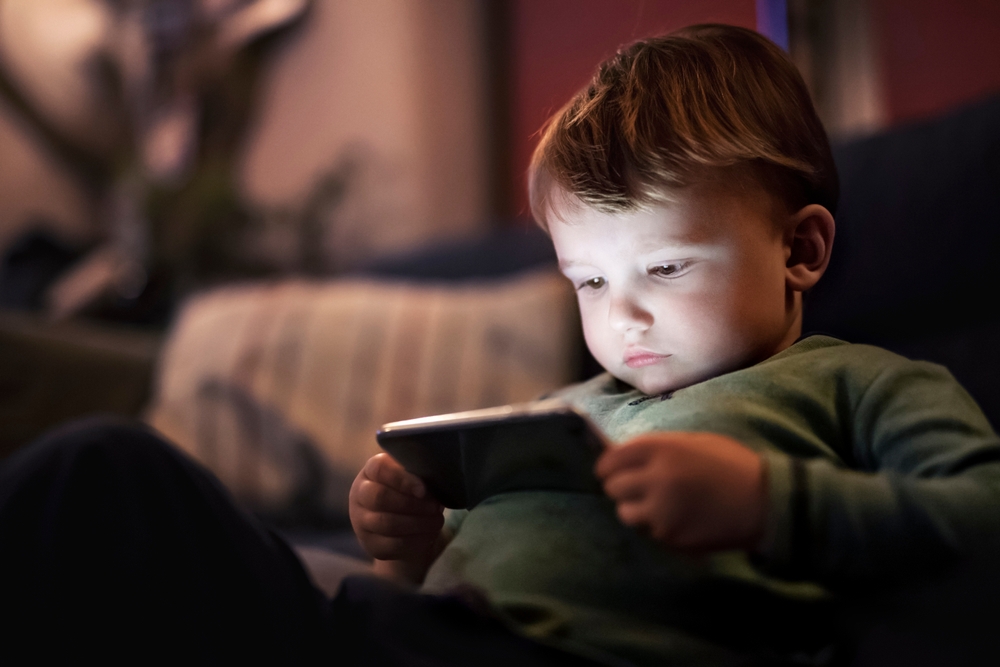
Screens are part of everyday life for children - whether it’s online learning, homework, gaming, or connecting with friends. While technology has many benefits, excessive screen time can take a toll on your child’s eye health. Understanding how much screen time is too much and how to protect developing eyes is key to supporting your child’s long-term vision.
Why Children’s Eyes Are More Vulnerable to Screens
Children’s visual systems are still developing, making them more sensitive to prolonged near work and digital devices. When kids focus on screens for long periods, they tend to blink less and maintain close viewing distances, which can lead to eye strain and discomfort.
Common reasons children are more affected include:
Immature focusing systems that fatigue more quickly
Reduced blinking, which contributes to dry or irritated eyes
Smaller screens held closer to the face
Longer cumulative exposure over months and years
Signs Your Child May Be Getting Too Much Screen Time
Children don’t always recognize or communicate eye discomfort clearly. Watch for these common warning signs:
Frequent eye rubbing or blinking
Headaches, especially after school or device use
Complaints of tired or sore eyes
Squinting or sitting very close to screens
Trouble concentrating during reading or homework
If these symptoms persist, it may be time for a comprehensive eye exam.
The Link Between Screen Time and Myopia
Increased screen use and reduced outdoor time have been linked to rising rates of myopia (nearsightedness) in children. Extended near work places constant demand on the focusing system, which may contribute to worsening vision over time. Spending time outdoors, taking visual breaks, and maintaining proper screen habits can help support healthier visual development.
Simple Ways to Protect Your Child’s Eyes
Parents can take proactive steps to reduce the impact of screen time on eye health:
Follow the 20-20-20 Rule: Every 20 minutes, have your child look at something 20 feet away for at least 20 seconds. This helps relax the eye’s focusing muscles.
Encourage Outdoor Time: Daily outdoor play supports overall eye health and may help slow the progression of myopia.
Schedule Regular Eye Exams: Routine pediatric eye exams allow early detection of vision problems, digital eye strain, or focusing issues that may affect learning and comfort.
How Eye Exams Support Healthy Screen Use
A comprehensive eye exam goes beyond checking vision clarity. Your eye doctor can evaluate focusing ability, eye alignment, and visual comfort - especially important for children who use screens daily. Early detection allows for timely treatment and personalized recommendations.
Support Healthy Eyes in a Digital World
Screens aren’t going away, but eye problems don’t have to be part of your child’s future. By setting healthy screen time habits, encouraging breaks and outdoor play, and scheduling regular eye exams, parents can help protect their child’s vision during critical developmental years.
If you’re concerned about how screen time may be affecting your child’s eyes, schedule a pediatric eye exam with Riverdell Vision today. Visit our office in Oradell, New Jersey, or call (201) 268-7566 to book an appointment.
MAP
Powered by: 
