

Inside a Pediatric Vision Therapy Session: How Brain-Eye Exercises Correct Tracking Issues
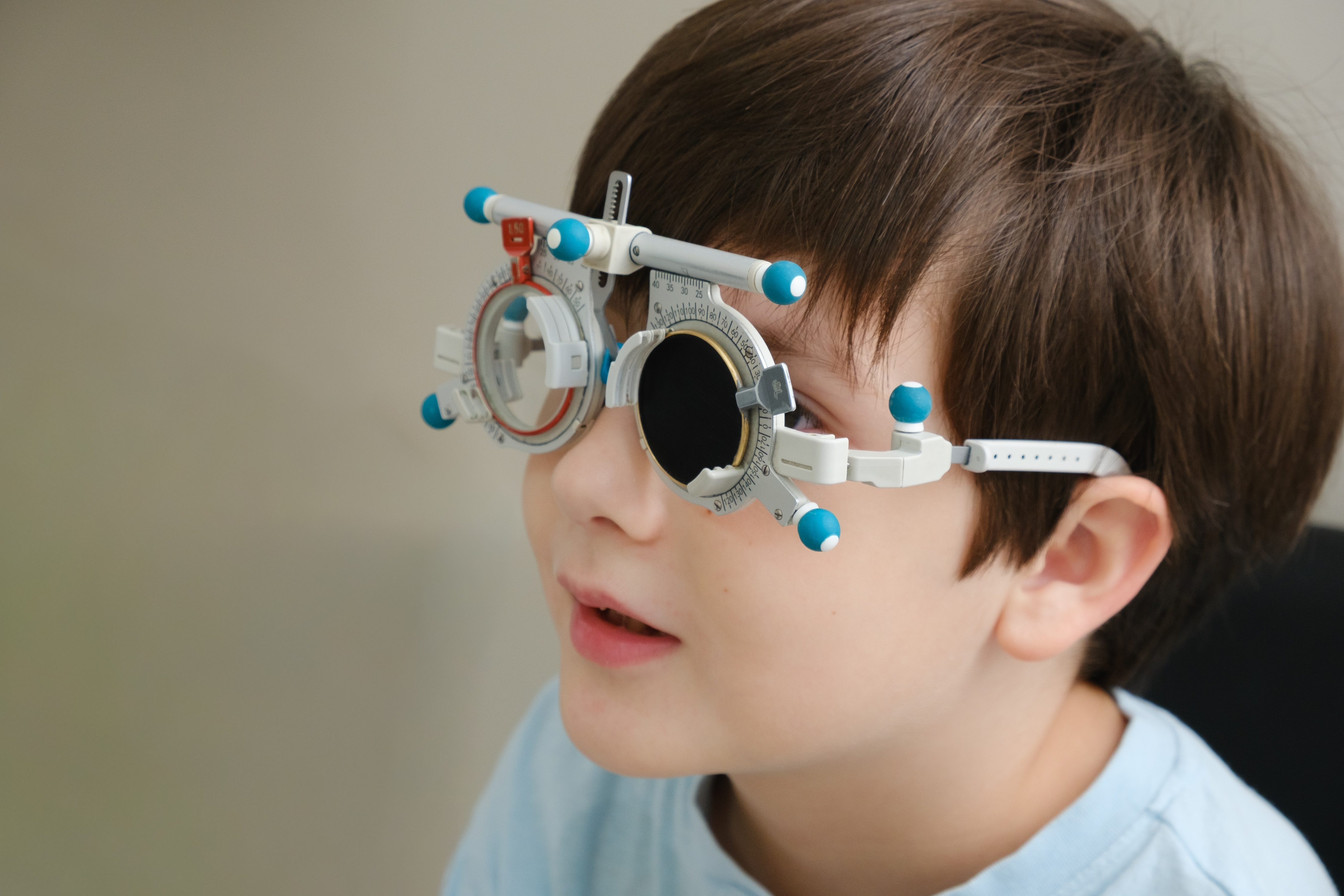
A child can have clear eyesight and still struggle with the visual skills needed for reading, writing, sports, and classroom work. Eye tracking is one of those skills. When the eyes have difficulty moving smoothly and accurately from one target to another, children may lose their place while reading, skip words, reread lines, or become tired during close work.
At Riverdell Vision in Oradell, pediatric vision therapy uses customized activities to improve how the eyes and brain communicate. Rather than simply exercising the eye muscles, vision therapy is designed to develop more efficient tracking, focusing, eye teaming, and visual processing skills.
What Is an Eye Tracking Problem?
Eye tracking refers to the ability to accurately control eye movements. When reading, the eyes need to move efficiently across a line of text, briefly stop on important information, and then move to the next line without losing their place.
Tracking problems can make reading feel much harder than it should. A child may compensate by using a finger to follow words, moving their head instead of their eyes, or avoiding reading altogether.
Signs that may suggest a visual skills problem include:
- Frequently losing their place while reading
- Skipping or repeating words and lines
- Using a finger to track text past the expected age
- Moving the head excessively while reading
- Complaining of headaches or tired eyes
- Avoiding homework or other sustained near tasks
- Difficulty shifting attention between a desk and classroom board
These symptoms can have several causes, so a comprehensive pediatric eye and vision evaluation is important before recommending therapy.
Step 1: Evaluating How the Eyes Function
Before beginning pediatric vision therapy, we assess more than visual acuity. At Riverdell Vision, a vision therapy evaluation can examine eye teaming, focusing, fixation, eye movements, and visual processing.
This helps identify whether tracking is the primary concern or whether another issue, such as convergence insufficiency or focusing dysfunction, is also making near work difficult.
Once we understand which visual skills need support, we can create an individualized treatment plan rather than using the same exercises for every child.
Step 2: Building Better Eye Movement Control
During a vision therapy session, children complete structured activities designed to challenge specific visual skills.
For an eye tracking problem, exercises may require the child to follow moving targets, shift their gaze accurately between locations, or locate visual information without relying on excessive head movement. Activities begin at a manageable level and gradually become more challenging as the child develops better control.
The goal is not simply to make the eyes move faster. Therapy focuses on helping the brain direct eye movements more accurately and efficiently.
Step 3: Adding Eye Teaming and Focusing Skills
Tracking rarely works completely on its own. The eyes also need to remain coordinated as a team and maintain appropriate focus during reading and other close activities.
Vision therapy may therefore combine tracking work with activities that challenge convergence, focusing flexibility, depth perception, or visual attention. This integrated approach helps develop the broader visual system a child relies on throughout the school day.
At Riverdell Vision, treatment plans are customized based on the specific deficiencies identified during the evaluation.
Step 4: Reinforcing New Skills at Home
A typical vision therapy program may include both in-office sessions and assigned home activities. These exercises reinforce skills introduced during appointments and become more complex as therapy progresses.
Riverdell Vision notes that a typical program may last approximately four to six months, although the actual length depends on the child's condition, progress, and individual needs.
Consistency is important because vision therapy is a developmental process. Repetition helps the eyes and brain establish more efficient visual responses that can become easier to use during everyday tasks.
If your child struggles with eye tracking, reading comfort, focusing, or eye coordination, schedule a pediatric vision therapy evaluation with Riverdell Vision at 297 Kinderkamack Rd, Suite 200, Oradell, NJ 07649, or call (201) 265-7900 to find out whether a personalized program can help build stronger visual skills.
MAP
Powered by: 
