
Ortho-K vs. Low-Dose Atropine Drops: Which Myopia Control Option Fits Your Child’s Bergen County Sports Schedule?
For a nearsighted child balancing school with soccer, basketball, swimming, baseball, or other Bergen County sports, stronger glasses every year can become frustrating. Myopia control goes beyond updating a prescription by focusing on slowing how quickly nearsightedness progresses as a child grows.
At Riverdell Vision in Oradell, our Myopia Control Clinic offers several options, including Ortho-K and low-dose atropine. Both can be considered for progressive myopia, but they fit a child's daily routine very differently.
How Does Ortho-K Work?
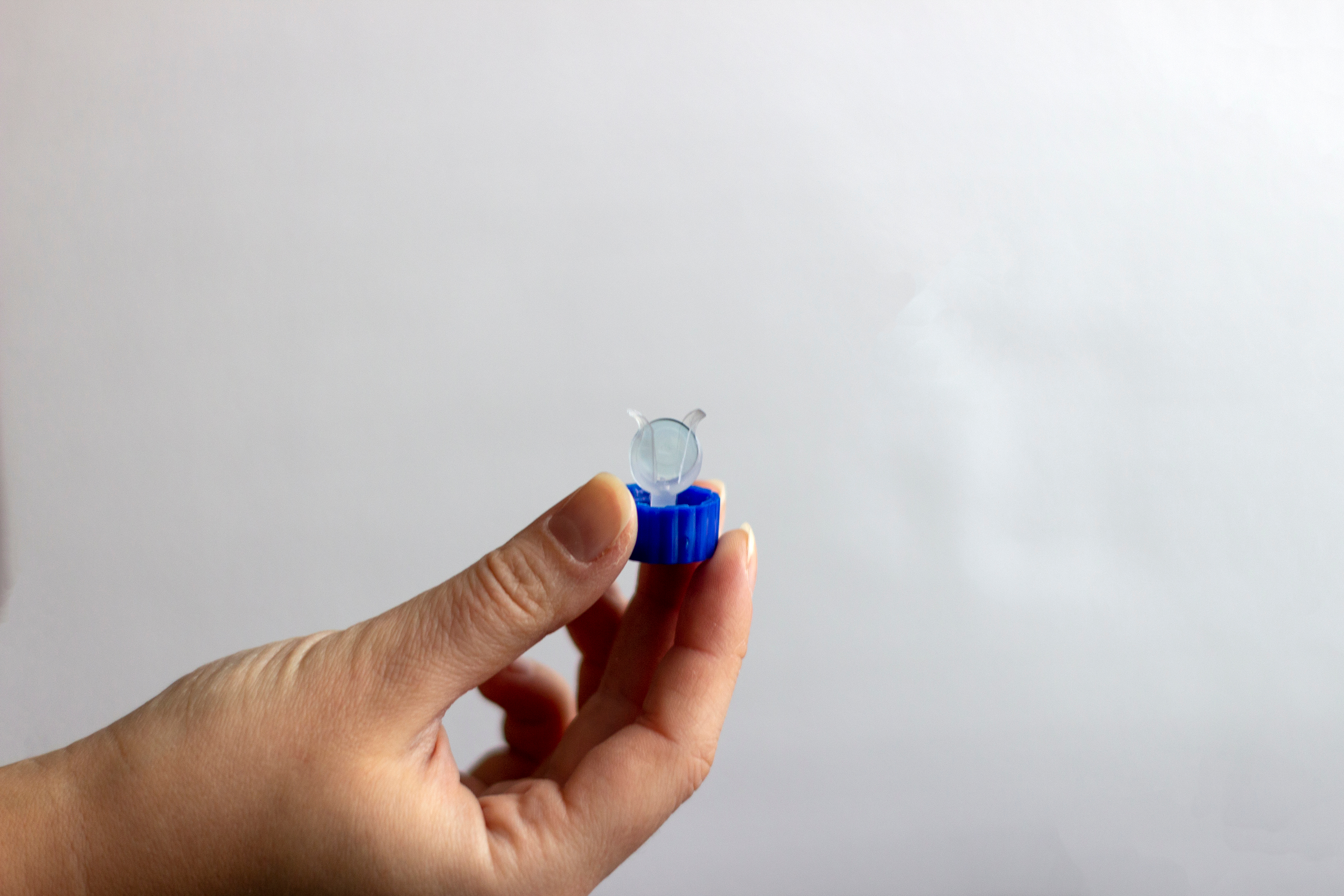
Orthokeratology, commonly called Ortho-K, uses specially designed rigid contact lenses worn while sleeping. Overnight, the lenses temporarily reshape the corneal surface so light focuses more accurately when the lenses are removed in the morning.
For many appropriate patients, this provides clear daytime vision without glasses or daytime contacts.
Ortho-K also creates an optical effect that can help slow excessive eye growth associated with childhood myopia. Continued overnight wear is necessary because the corneal reshaping effect is temporary.
Why Can Ortho-K Appeal to Student Athletes?
For active Bergen County students, daytime freedom from corrective eyewear can be a major advantage.
Potential benefits include:
No glasses slipping during running or fast movement
No daytime contacts becoming dry during long practices
Less interference between eyeglass frames and helmets
Clear daytime vision for school and many sports
No need to handle contacts immediately before practice
Myopia control while correcting daytime distance vision
Ortho-K does require careful nightly lens handling. Children and parents must follow cleaning, disinfection, handwashing, and follow-up instructions because overnight contact lens wear carries an infection risk.
How Does Low-Dose Atropine Work?
Low-dose atropine uses prescription eye drops, generally placed in the eyes each night. The exact way atropine slows myopia progression is still being studied, but evidence shows that appropriately selected low concentrations can reduce progression in many children.
Unlike Ortho-K, atropine does not correct the child's existing nearsightedness. Your child will usually still need glasses or contact lenses during the day to see clearly.
That distinction can matter for student athletes. A child comfortable competing in sports glasses may find nightly drops convenient, while a child hoping to avoid daytime eyewear may prefer discussing Ortho-K.
Which Option Is Easier to Maintain?
It depends on your child.
Atropine can be attractive for children who are not ready to insert, remove, and clean contact lenses. Treatment still requires consistent nightly dosing, prescription refills, and regular monitoring. Some children can experience mild light sensitivity or near blur, although these effects tend to be less common with low-dose treatment.
Ortho-K requires more hands-on care but offers the added benefit of correcting daytime vision. Parents may initially need to help younger children handle the lenses.
Neither treatment works well when used inconsistently.
Can Ortho-K and Atropine Completely Stop Myopia?
No myopia-control treatment can guarantee that a child's prescription will stop changing.
The goal is to slow progression and reduce how nearsighted the child ultimately becomes. Higher myopia is associated with greater lifetime risks of retinal detachment, glaucoma, and other eye complications, which is why early management can matter.
Regular outdoor time may also be beneficial for children's visual development, but outdoor activity does not reverse existing myopia or replace prescribed treatment.
Which Myopia Control Option Fits Your Child?
The best choice depends on age, prescription, rate of progression, corneal shape, eye health, maturity, sports schedule, and family preferences. Some children may also be candidates for specialized soft multifocal contact lenses or other myopia-management strategies.
If your child's prescription keeps increasing and sports make daytime glasses or contacts inconvenient, schedule a myopia control consultation with Riverdell Vision at 297 Kinderkamack Rd., Suite 200, Oradell, NJ 07649 by calling (201) 265-7900. We can compare Ortho-K, low-dose atropine, and other personalized options to find a plan that fits your child's vision needs and Bergen County routine.
MAP
Powered by: 
