

Over-the-Counter Artificial Tears vs. Prescription Dry Eye Relief
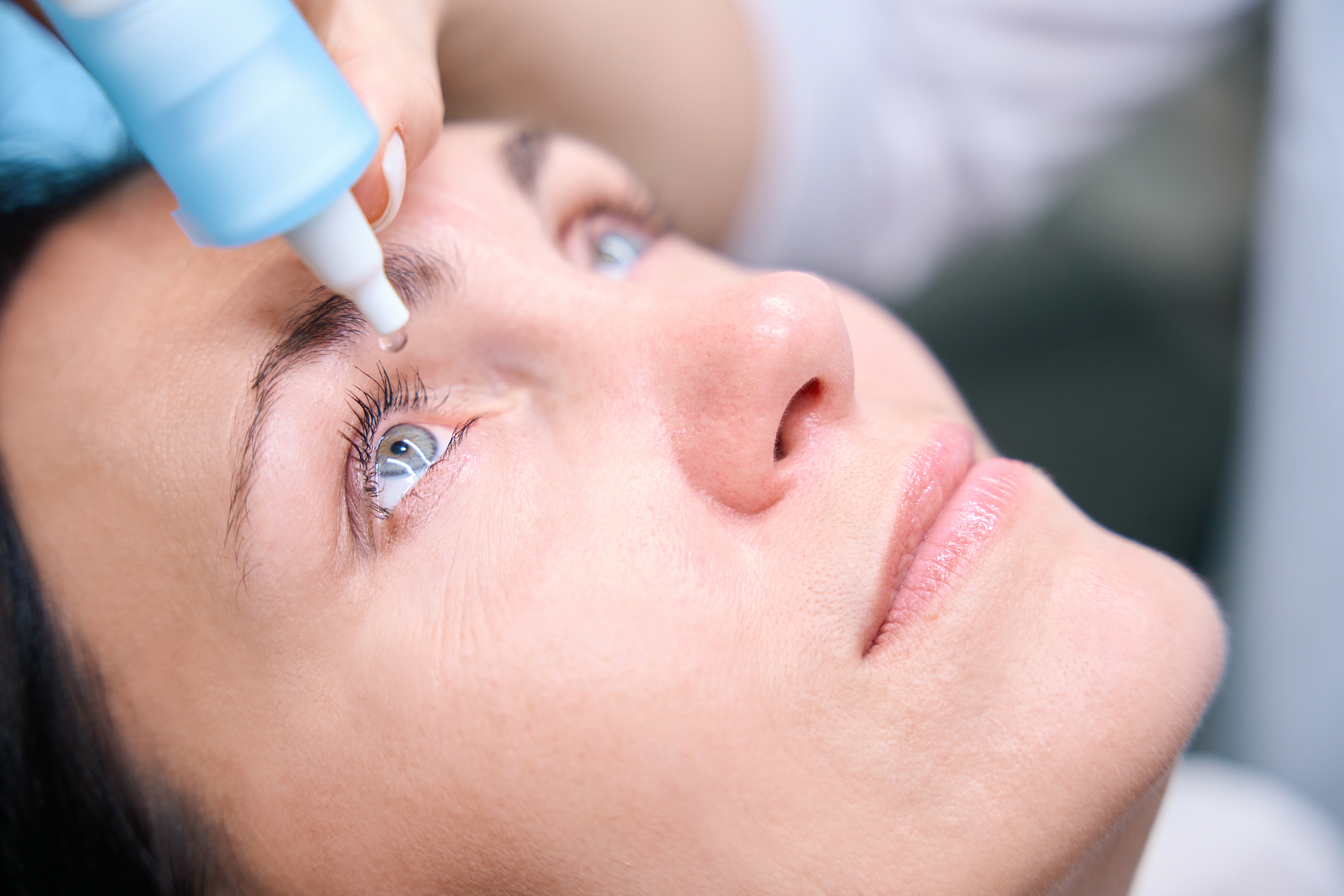
Dry, burning, watery, or gritty eyes can make it difficult to work, read, drive, or wear contact lenses comfortably. Many people begin with over-the-counter artificial tears, but these products are not always enough for persistent dry eye disease. Understanding the difference between artificial tears and prescription dry eye relief can help you know when it is time to schedule an eye evaluation.
When Artificial Tears May Be Enough
Artificial tears are lubricating eye drops designed to add moisture and temporarily relieve mild dryness and irritation. They may be helpful when symptoms are caused by screen use, dry indoor air, wind, travel, or occasional contact lens wear.
Several formulas are available, including preservative-free drops, thicker gels, and lipid-based products intended to reduce tear evaporation. The right choice depends on the type and severity of your symptoms. Preservative-free artificial tears are often preferred when drops are used frequently because preservatives may irritate sensitive eyes.
Artificial tears can improve comfort, but they generally do not address inflammation, blocked oil glands, poor tear production, or other underlying causes of chronic dry eye.
When Prescription Dry Eye Relief May Be Needed
Prescription dry eye medications are typically considered when symptoms continue despite appropriate over-the-counter care. Depending on the cause, prescription treatment may help reduce inflammation, support natural tear production, or improve the health of the eye’s surface.
Unlike standard lubricating drops, prescription medications are selected based on examination findings and may require consistent use before providing their full benefit. Some patients also need in-office treatment for meibomian gland dysfunction, eyelid inflammation, or unstable tears. Riverdell Vision offers dry eye evaluations and customized treatment options in Oradell, NJ.
Signs You Should Schedule a Dry Eye Evaluation
An eye doctor should evaluate symptoms that are ongoing, worsening, or affecting your daily activities. Watch for:
• Burning, stinging, redness, or a gritty sensation
• Frequent watering or fluctuating vision
• Light sensitivity or difficulty wearing contact lenses
• The need to use artificial tears several times each day
• Symptoms that return shortly after using eye drops
• Eye irritation that does not improve with over-the-counter products
Why the Right Diagnosis Matters
Dry eye is not the same for every patient. Some people do not produce enough tears, while others produce tears that evaporate too quickly. Allergies, medications, eyelid conditions, digital device use, contact lenses, and certain health conditions may also contribute to symptoms.
A comprehensive evaluation allows our team to examine your tear film, eyelids, and ocular surface. This helps us recommend appropriate artificial tears, prescription dry eye relief, in-office care, or a combination of treatments rather than relying on trial and error.
Choose Dry Eye Relief Based on Your Needs
Over-the-counter artificial tears can be useful for occasional discomfort, while prescription treatment may be more appropriate for chronic or moderate-to-severe dry eye. Using the wrong drops repeatedly may only mask symptoms without addressing why they keep returning.
Schedule a dry eye evaluation with Riverdell Vision to find the right relief for your eyes. Contact our office in Oradell, NJ, by calling (201) 265-7900 to book an appointment today.
MAP
Powered by: 
