

Treating Visual Processing Issues with Neuro-Optometric Techniques
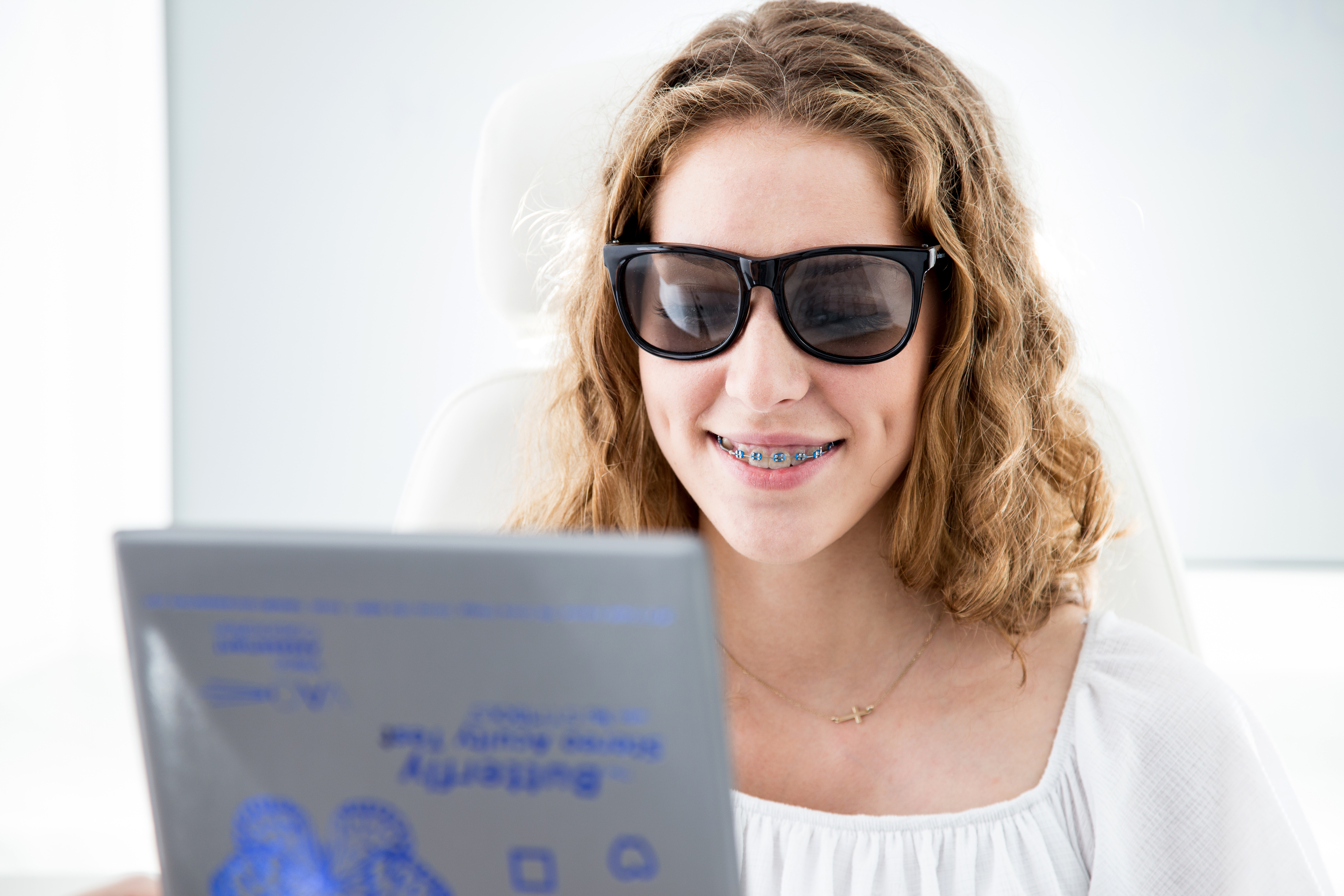
Visual processing issues can affect far more than eyesight alone. They can interfere with balance, focus, reading comfort, depth perception, and daily coordination. At Riverdell Vision, we use neuro-optometric techniques to help patients address these challenges and work toward better visual function in Oradell.
Understanding Visual Processing Issues
Visual processing is how the brain interprets and responds to what the eyes see. When this system is disrupted, patients may experience symptoms such as dizziness, headaches, light sensitivity, double vision, poor spatial awareness, or difficulty concentrating. These problems are often seen after a concussion or traumatic brain injury, but they can also affect people with ongoing visual coordination concerns.
How Neuro-Optometric Rehabilitation Helps
Neuro-optometric rehabilitation uses targeted therapeutic activities to improve how the eyes and brain work together. The goal is not just to sharpen vision, but to reduce symptoms that make everyday tasks harder. This may include trouble with movement, reading, screen use, or maintaining balance.
At Riverdell Vision, neuro-optometric rehabilitation is designed to support patients whose visual system has been affected by neurological disruption. Because vision is closely connected to how the brain processes space, movement, and coordination, treatment can play an important role in recovery.
Symptoms That May Point to a Visual Processing Problem
Some symptoms are easy to overlook because they are not always described as vision problems. Common signs include:
- Headaches during reading or screen use
- Dizziness or balance issues
- Light sensitivity
- Double vision
- Eye strain or fatigue
- Difficulty judging space or movement
When these symptoms continue after an injury or begin interfering with daily life, a neuro-optometric evaluation may be the next step.
Techniques Used In Treatment
Neuro-optometric techniques often include structured in-office therapy along with guided home exercises. These activities are meant to strengthen compromised visual pathways and help the brain rebuild more efficient visual responses.
Depending on the patient’s needs, treatment may also involve prism glasses or colored filters. These tools can sometimes reduce symptoms and improve comfort while the visual system is being retrained.
How Personalized Care Supports Better Outcomes
Visual processing issues do not look the same for every patient. One person may struggle most with light sensitivity and fatigue, while another may have balance problems or difficulty coordinating eye movements. That is why individualized care is so important.
At Riverdell Vision, we tailor neuro-optometric rehabilitation to the patient’s symptoms, visual demands, and functional goals. A personalized plan can make treatment more effective and more practical for daily life.
Take the Next Step Toward Better Visual Function
Persistent visual symptoms should not be ignored just because standard imaging appears normal. In many cases, patients still experience real disruptions in how the brain and visual system communicate. Neuro-optometric techniques can help restore comfort, improve performance, and support a more confident return to normal activities.
Schedule a consultation with Riverdell Vision to learn more about neuro-optometric rehabilitation and treatment for visual processing issues. Visit our office in Oradell, New Jersey, or call (201) 265-7900 to book an appointment today.
MAP
Powered by: 
