
Understanding Visual Field Testing and Its Role in Eye Health
When it comes to protecting your vision, early detection is everything. Many serious eye conditions develop gradually and without obvious symptoms. That’s where visual field testing plays a critical role. At Riverdell Vision, we use advanced diagnostic technology to evaluate not just how clearly you see - but how widely you see.
Understanding visual field testing can help you appreciate why this simple, non-invasive exam is such an important part of maintaining long-term eye health.
What Is Visual Field Testing?
Visual field testing measures your peripheral (side) vision. While most people focus on central vision - what’s directly in front of them - your peripheral vision is equally important for everyday activities like driving, walking, and navigating crowded spaces.
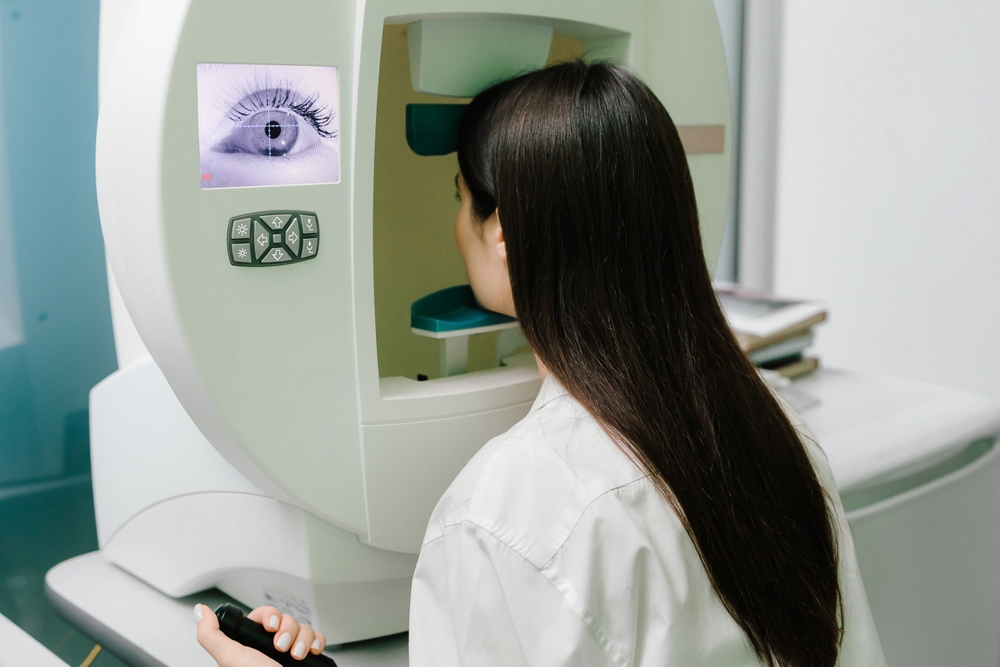
During the test, you’ll look straight ahead at a fixed point while small lights appear in different areas of your visual field. You’ll press a button whenever you see a light. The results create a detailed map of your visual field, helping your eye doctor identify any blind spots or areas of reduced vision.
Why Peripheral Vision Matters
Peripheral vision allows you to:
· Detect movement outside your direct line of sight
· Maintain balance and spatial awareness
· Drive safely and monitor surrounding traffic
· Navigate stairs, sidewalks, and crowded areas
Loss of peripheral vision can happen gradually, making it difficult to notice until significant damage has occurred. Visual field testing helps detect subtle changes long before they affect your daily life.
Conditions Visual Field Testing Can Detect
Visual field testing is essential in diagnosing and monitoring several serious eye and neurological conditions, including:
Glaucoma
Glaucoma is one of the leading causes of irreversible vision loss. It often affects peripheral vision first, with little to no warning signs in its early stages. Visual field testing is a key tool in detecting and tracking glaucoma-related vision changes.
Retinal Disorders
Conditions affecting the retina can cause blind spots or missing areas in your field of vision. Testing helps pinpoint where vision loss is occurring and how it progresses over time.
Optic Nerve Damage
Damage to the optic nerve, whether from disease, injury, or increased eye pressure, can affect specific regions of your visual field. Regular testing helps monitor nerve health.
Neurological Conditions
Certain brain conditions, including strokes or tumors, may cause distinct patterns of visual field loss. Visual field testing can provide valuable clues that prompt further evaluation.
What to Expect During Your Test
Visual field testing is:
· Painless
· Non-invasive
· Typically completed in under 15 minutes
· Safe for patients of all ages
You may be tested one eye at a time to ensure accurate results. The most important part is staying focused on the center target and responding whenever you see light signals.
It’s normal to miss a few lights - what matters is the overall pattern. Your eye doctor will interpret the results and compare them to previous tests if applicable.
Who Should Have Visual Field Testing?
Your optometrist may recommend visual field testing if you:
· Have elevated eye pressure
· Are at risk for glaucoma
· Have a family history of eye disease
· Notice changes in peripheral vision
· Have been diagnosed with a retinal or neurological condition
· Are over age 40 and undergoing routine eye health monitoring
Even if you’re not experiencing symptoms, periodic testing can detect problems before vision loss becomes noticeable.
The Importance of Ongoing Monitoring
Visual field testing is often repeated over time to track changes. Because many eye conditions progress slowly, comparing results from year to year allows your eye doctor to identify trends and intervene early if needed.
Consistent monitoring can:
· Prevent further vision loss
· Improve treatment outcomes
· Preserve independence and quality of life
At Riverdell Vision, we prioritize proactive care, ensuring small changes don’t become major concerns.
Take the Next Step Toward Healthier Vision
Your vision is more than just how clearly you see straight ahead. Peripheral vision plays a crucial role in your safety, mobility, and overall quality of life. Visual field testing is a simple but powerful tool that helps detect eye disease early, monitor progression, and protect your long-term eye health.
If it’s been a while since your last eye exam - or if you’ve noticed changes in your vision - Riverdell Vision is here to help. Visit our office in Oradell, New Jersey, or call (201) 265-7900 to book an appointment today.
MAP
Powered by: 
